Finding safe and effective ways to keep moving during your third trimester can make a world of difference for your comfort, stamina, and overall well-being as you approach your due date. At this stage, the goal shifts from intense fitness to functional support—preparing your body for the physical demands of labor and managing the common aches and pains that come with your baby’s final growth spurt.
Before beginning any new regimen, please consult with your healthcare provider to ensure your specific pregnancy circumstances allow for these activities.
Recommended Movement Routines
Focus on low-impact, supportive movements that emphasize posture, pelvic stability, and gentle breathing.
- Walking: Often cited as the safest and most accessible exercise, daily walking helps improve circulation, reduce leg swelling, and maintain cardiovascular health without straining your joints. Aim for a comfortable, conversational pace where you don’t feel breathless.
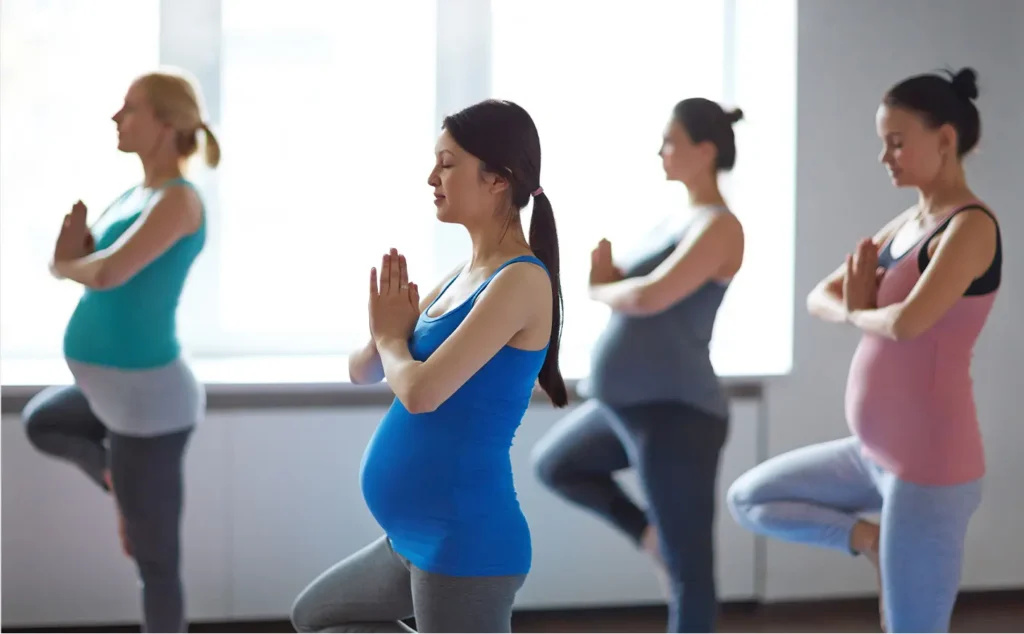
- Prenatal Yoga: This is excellent for maintaining flexibility and mental focus. In the third trimester, prioritize upright poses (like modified Warrior) and side-lying stretches. Avoid deep twists, hot yoga, and positions that require lying flat on your back for extended periods.
- Water Aerobics & Swimming: Water provides buoyancy that relieves pressure on your spine and hips, making it one of the most therapeutic ways to stay active when your belly feels heavy. It also helps with temperature regulation.
- Strength & Stability Training: You don’t need heavy weights to maintain muscle tone. Use resistance bands or your own body weight to perform:
- Wall Push-ups: Excellent for chest and arm strength.
- Supported Squats: Use a wall or a sturdy chair for balance. Squatting can help open the pelvis, which is beneficial for labor preparation.
- Pelvic Tilts: These help relieve lower back pressure by gently loosening the spine and engaging your core muscles.
- Pelvic Floor Exercises (Kegels): These are essential for supporting the added weight of your uterus and preparing for postpartum recovery. Practice consistent, gentle contractions throughout the day.
Important Safety Modifications
As your center of gravity changes and your joints become more relaxed due to pregnancy hormones, prioritize these adjustments:
- Avoid Lying Flat: After the first trimester, avoid exercises performed while lying on your back for long periods, as this can compress major blood vessels and lead to dizziness. Opt for side-lying or seated modifications.
- Watch Your Balance: Your balance is naturally compromised. Always have a wall, railing, or sturdy chair nearby for support during standing exercises.
- Stay Cool and Hydrated: Your body temperature rises more easily during pregnancy. Exercise in a well-ventilated space, drink plenty of water, and avoid strenuous activity in hot or humid weather.
- Listen to Your Body: If you feel dizzy, unusually breathless, or experience any sharp pain, stop immediately. It is perfectly okay to shorten your sessions or take extra rest days as needed.
When to Consult Your Doctor
Always ensure your routine is cleared by your care team, especially if you have existing complications. If you are experiencing pelvic girdle pain, sciatica, or concerns regarding your prenatal health, a professional can often suggest a tailored plan or refer you to a physical therapist who specializes in pregnancy.
For more information on staying healthy and tracking your progress during these final weeks, you may find it helpful to review your testing and appointments schedule or explore resources on preparing for birth.
How are you currently managing your physical activity, and are there any specific discomforts (like back pain or swelling) you are hoping to alleviate with movement?